

Or: The presence of an experienced colleague
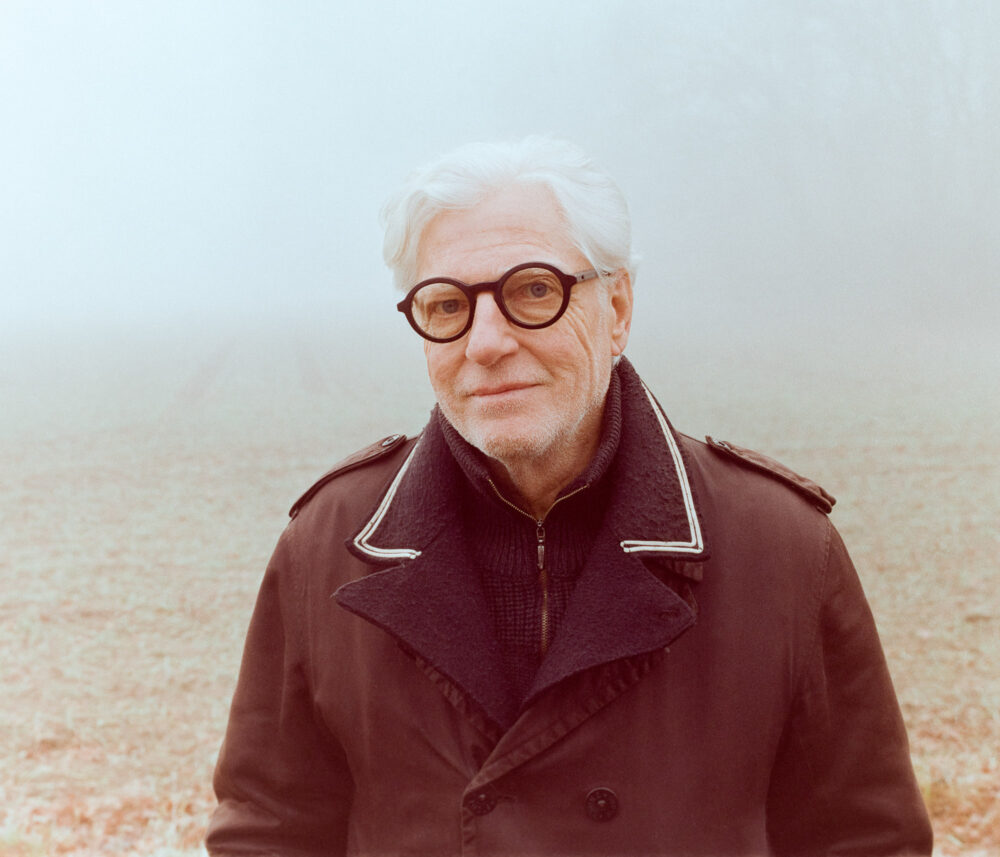
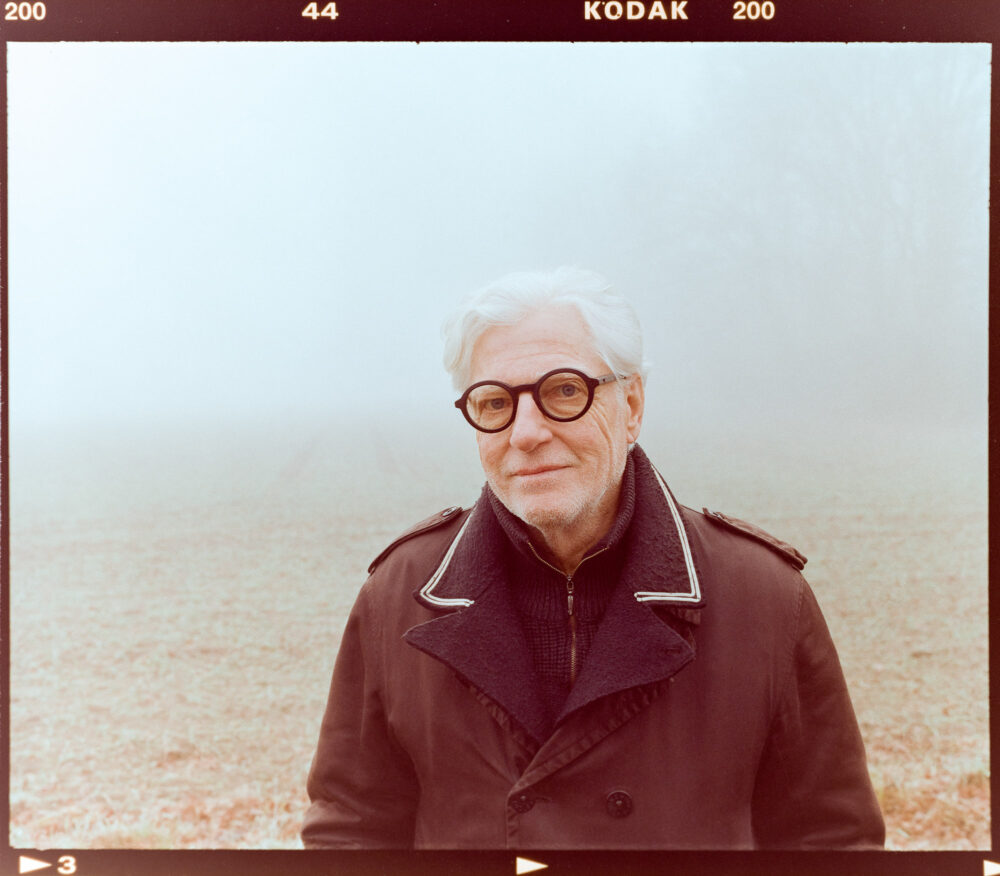
There is a particular stillness to a landscape submerged in fog, which felt entirely appropriate for a recent session with the acclaimed German photographer Joachim Brohm. Joachim has a relaxed, direct presence that naturally inhabited the muted palette of the foggy morning. His dark glasses and dark coat, accented by a light detail on the collar and the silver-grey of his hair nicely anchored the mist and the faint, skeletal outlines of trees that dissolved into the white void.
RB67 and Nerves
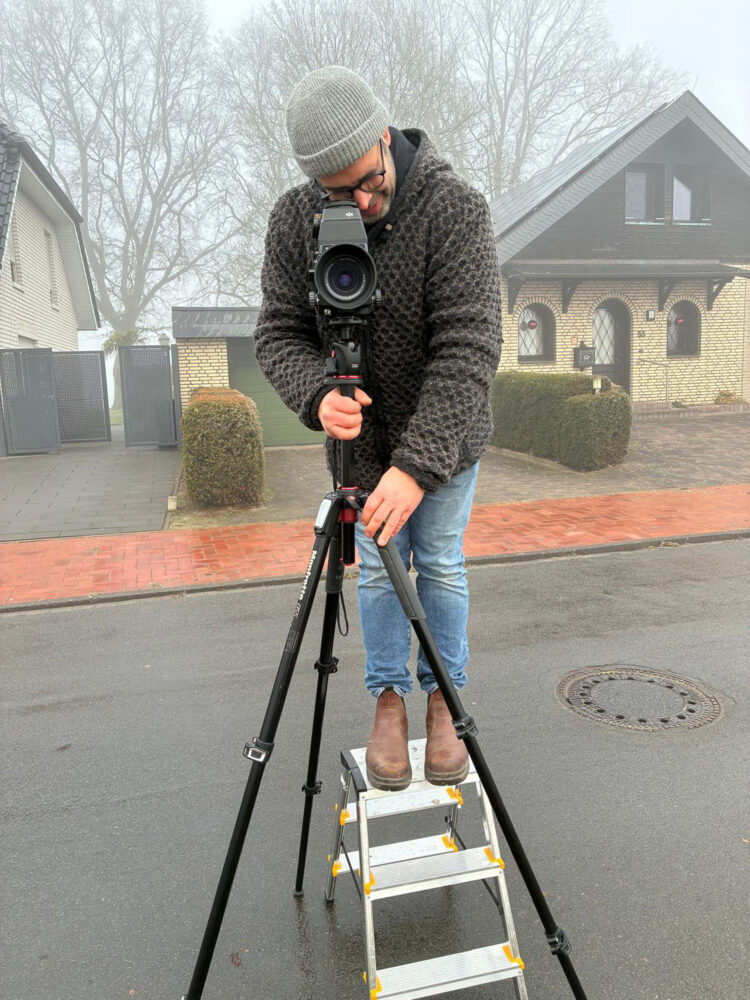
After the negatives finally came back, I was relieved to see all eight frames were in focus. When I shared this with him, he offered a dry, characteristic wit: “The presence of an experienced colleague can spur peak performance.” This certainly rang true. To photograph an artist of his stature brought a certain pressure that was intensified by the analogue medium format process: I used my Mamiya RB67, which is a beautiful machine but also means manual focus, light meter and remembering to both crank the shutter and advance the film after every exposure.
Pioneer of Colour
If you are unfamiliar with Joachim Brohm and his contributions to photography, he is widely regarded as a pioneer of European colour photography. Emerging in the late 1970s, he challenged the then-dominant black-and-white tradition with a documentary style that is also deeply atmospheric.
His career spans decades of insightful observation, from his explorations the Ruhr region to his long-term archives of urban transformation.
- Explore his work: joachimbrohm.com
- Notable Publications: His monographs like Ruhr (2007), Ohio (2009), and LESSMORE (2023) are essential references for the intersection of architecture and landscape.
The Aftermath: From Fog to File
Of course, shooting analogue means more analogue work after the shutter clicks. Since Cewe provides the development but not a scan, I’ve been digitising the negatives myself using a gung-ho Nikon D850 setup. It is a charmingly tedious battle against dust, scratches, the rebellious curl of unflattened negatives and white balance. A significant amount of effort, but for some people and settings, it feels like the right way to work.
If you’re curious about how these frames made the journey from a misty field to the screen, I’ve written a follow-up on the “rigorous” ritual of my DIY scanning setup. It involves a Nikon D850, some custom woodwork, and a battle against the rebellious curl of medium format film.
For more Portraits from Art and Culture, see my project page.

Comments
Digitising Negatives: A DIY Nikon D850 Scanning Workflow - Jan Söhlke Fotografie